

Under the combined influence of three structural forces—the impact of AI technology, the erosion of traditional authority, and the pressures of economic survival—social behavior is undergoing profound value reconstruction and behavioral reshaping. Society as a whole is shifting from a "passive dependence" to an "active defense" approach, with individuals generally adopting strategies such as value self-justification, risk actuarial calculation, emotional compensation, and cultural rebellion to cope with uncertainty. In this era of information explosion and rapid technological development, new media platforms are not only important channels for brand communication but also key to connecting users and building brand ecosystems.
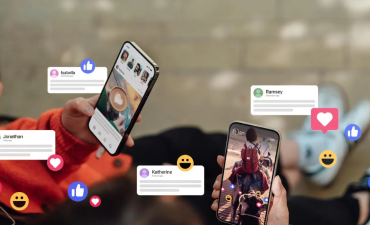
Trend Insight: Technology Leads, Content is King
Digitalization and Intelligentization Integration
In 2026, the digitalization and intelligentization of new media platforms will deepen further. Artificial intelligence (AI) will play a greater role in content creation, personalized recommendations, and user interaction. Through intelligent algorithms, platforms can more accurately understand user needs, achieve personalized content delivery, and improve user experience. At the same time, natural language processing and speech recognition technologies will promote efficient content processing and interaction, making information dissemination more convenient.
The Rise of Video Content
Video content, due to its intuitive and easily consumed characteristics, occupies an increasingly important position on new media platforms. Short videos and live streaming will become mainstream methods for attracting user attention and increasing user engagement. Brands will place greater emphasis on the quality and innovation of video production, utilizing technologies such as VR/AR to create immersive experiences and enhance user stickiness and brand awareness.
Strengthening Social Trends
The rise of social media platforms has made connections between users closer. New media platforms will focus more on developing social functions, enhancing user engagement and interactivity through user-generated content (UGC), topic challenges, and community operations. Simultaneously, cross-industry collaborations will become commonplace, expanding marketing channels and enhancing brand influence through partnerships with other brands or IPs.
Strategy Implementation: Precise Positioning, Content Innovation
Precisely Positioning Target Users
In operating on new media platforms, accurately positioning target users is key to success. Through data analysis tools, gaining a deep understanding of user behavior, interests, and spending power allows for the development of personalized marketing strategies for brands. Simultaneously, adjusting strategies promptly based on user feedback and market changes ensures the relevance and effectiveness of marketing activities.
Creating High-Quality Content
Content is the core competitiveness of new media platforms. In content creation, emphasis should be placed on originality and differentiation to meet the diverse needs of users. Enhance the appeal and impact of content through diverse content formats (such as text, images, videos, and live streaming) and vivid narratives. Simultaneously, strengthen content review and oversight to ensure the authenticity and value of content.
Strengthen Community Operations
Communities are an important component of new media platforms. Establishing and maintaining online communities enhances connections and interaction among users. Within communities, online activities can be organized, exclusive content can be released, and user creation can be incentivized to increase community activity and cohesion. Furthermore, user feedback and opinions can be collected through communities to provide insights for brand product and service improvements.

Innovation Directions: Cross-Industry Collaboration, Technology-Driven
Cross-Industry Collaboration Expands the Market
Cross-industry collaboration is a crucial direction for innovation on new media platforms. Collaborating with brands or IPs from different fields achieves resource sharing and complementary advantages. Through co-branded products and jointly organized events, marketing channels can be broadened to attract more potential users. At the same time, cross-industry collaboration can inject new vitality into brands, enhancing brand image and awareness.
Technology-Driven Optimization of User Experience
The continuous development of technology has provided more possibilities for the operation of new media platforms. By utilizing big data, AI, and other technologies, user experience and content delivery can be optimized. Intelligent recommendation algorithms can recommend relevant content based on user interests and preferences; sentiment analysis technology can understand users' emotional attitudes towards brands and adjust marketing strategies accordingly. At the same time, information security protection must be strengthened to prevent information leakage and misuse.
Conclusion
In 2026, the operation of new media platforms will exhibit trends such as digitalization, intelligence, video, and socialization. Faced with these trends and challenges, operators need to keep pace with the times and continuously innovate and optimize strategies. This can be achieved by accurately targeting users, creating high-quality content, strengthening community operations, and leveraging cross-industry cooperation and technology to enhance brand influence and market competitiveness. Simultaneously, maintaining keen market observation and innovative thinking is crucial to adapt to the rapidly changing market environment and technological development.